

SYNCORNET is a newly launched, multi-institutional research effort focused on improving nitrogen efficiency in corn agriculture. Supported by the U.S. Department of Energy’s Advanced Research Projects Agency–Energy (ARPA-E), our project brings together expertise in plant biology, soil science, and agricultural systems.
Nitrogen fertilizer is essential for modern crop production, but it is often used inefficiently. Fertilizer is typically applied early in the growing season, while crop demand increases later. This mismatch leads to nitrogen loss, environmental impacts, and reduced effectiveness.
SYNCORNET addresses this challenge by improving how nitrogen is captured, retained, and used across the crop cycle. We connect plant traits, soil processes, and microbial interactions to better align nitrogen availability with crop demand.
Our Mission & Goals
SYNCORNET improves nitrogen efficiency in corn agriculture by focusing on how nitrogen is captured, retained, and used across the crop cycle. It integrates plant traits, soil processes, and microbial interactions to better align nitrogen availability in the soil with crop demand over time.
By addressing nitrogen use as a connected system rather than a single input, SYNCORNET is working to:
- improve nitrogen use efficiency in corn systems
- reduce nitrogen losses to the environment
- lower greenhouse gas emissions associated with fertilizer use
- maintain or improve crop productivity
- develop scalable strategies for more sustainable agriculture
Our Team
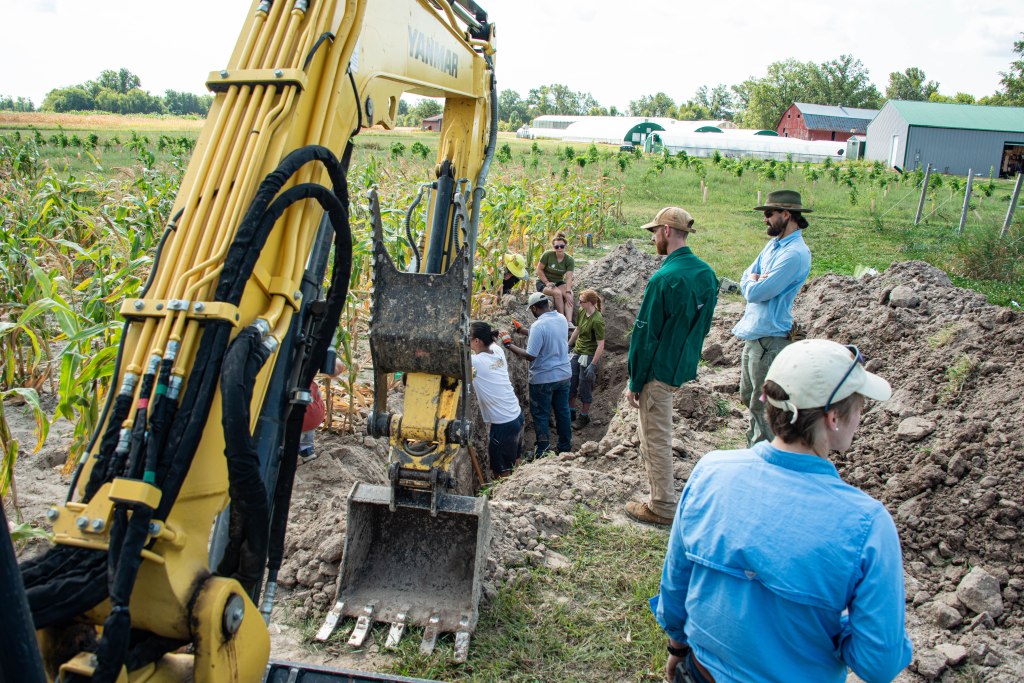
SYNCORNET brings together a multidisciplinary team of researchers across plant biology, soil science, and agricultural systems from leading institutions in the United States.
Participating institutions include:
- Michigan State University
- Donald Danforth Plant Science Center
- Cornell University and USDA-Ithaca
- The Pennsylvania State University
- University of Wisconsin–Madison
This collaborative structure enables integration across disciplines and scales, from gene-level trait development to field-level system evaluation.
Get In Touch
We welcome inquiries about collaboration, data sharing, training opportunities, and research partnerships. Please reach out with any questions or to learn more.

