
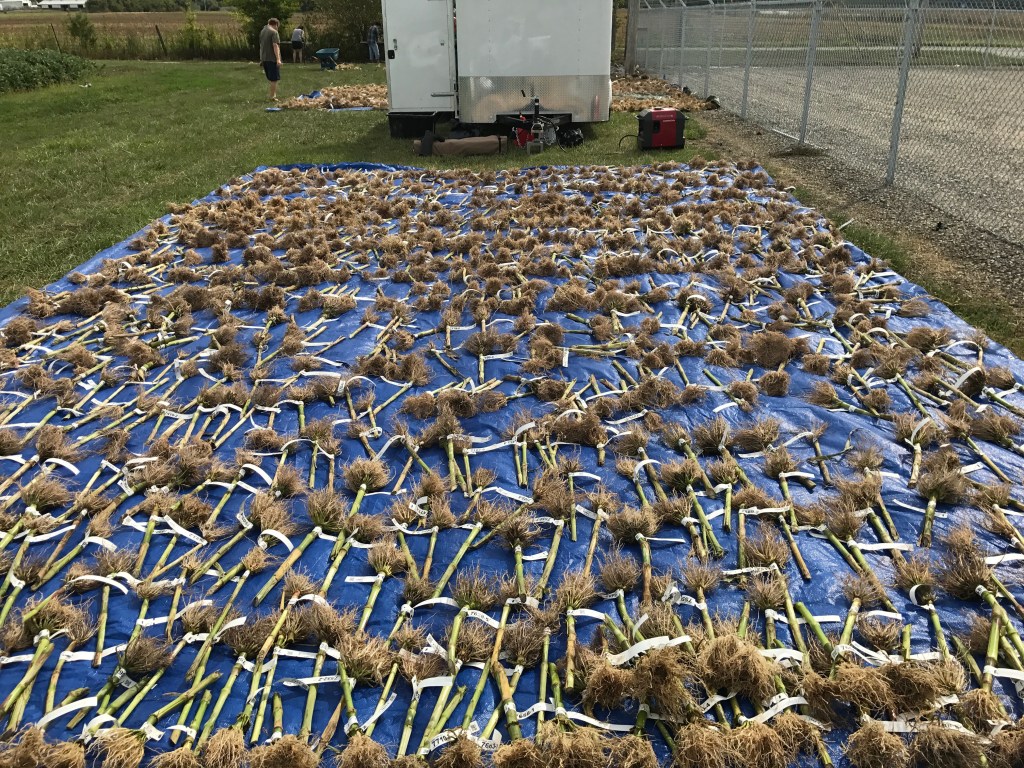
Improving nitrogen use efficiency requires more than identifying promising traits or processes in controlled environments. Strategies must perform under the variable conditions of agricultural fields, where soil structure, weather, and management practices all influence outcomes.
Field validation is essential for determining whether coordinated plant–soil strategies translate into measurable improvements in nitrogen use and crop performance.
From Controlled Systems to Field Conditions
Many traits and processes that influence nitrogen uptake are first studied under controlled conditions. However, field environments introduce variability in soil properties, moisture, temperature, and management practices that can affect how these traits perform.
SYNCORNET evaluates how root traits, soil processes, and plant–microbe interactions function under these conditions to determine their effectiveness in production systems.
Measuring System Performance
Field trials provide a way to assess how integrated strategies influence nitrogen use across the system. This includes evaluating:
- nitrogen uptake by the crop
- distribution of nitrogen within the soil profile
- changes in nitrogen loss pathways
- crop productivity under different nitrogen conditions
These measurements allow for direct assessment of how well coordinated strategies improve nitrogen capture and reduce losses.
Variation Across Environments
Agricultural systems vary across locations and seasons. Soil type, climate, and management practices all influence how nitrogen moves through the system and how crops respond.
SYNCORNET examines how integrated strategies perform across different environments to identify approaches that are robust and scalable.
Bridging Research and Application
Field validation connects experimental research with practical outcomes. By testing coordinated plant–soil systems under real-world conditions, this work helps determine which approaches can be translated into agricultural practice.
Role Within the System
Field validation integrates all components of the SYNCORNET research system. It brings together root traits, soil processes, microbial interactions, and nitrogen timing to evaluate how these components function as a coordinated system.
This work is central to identifying strategies that improve nitrogen efficiency, reduce losses, and maintain crop productivity under field conditions.

