
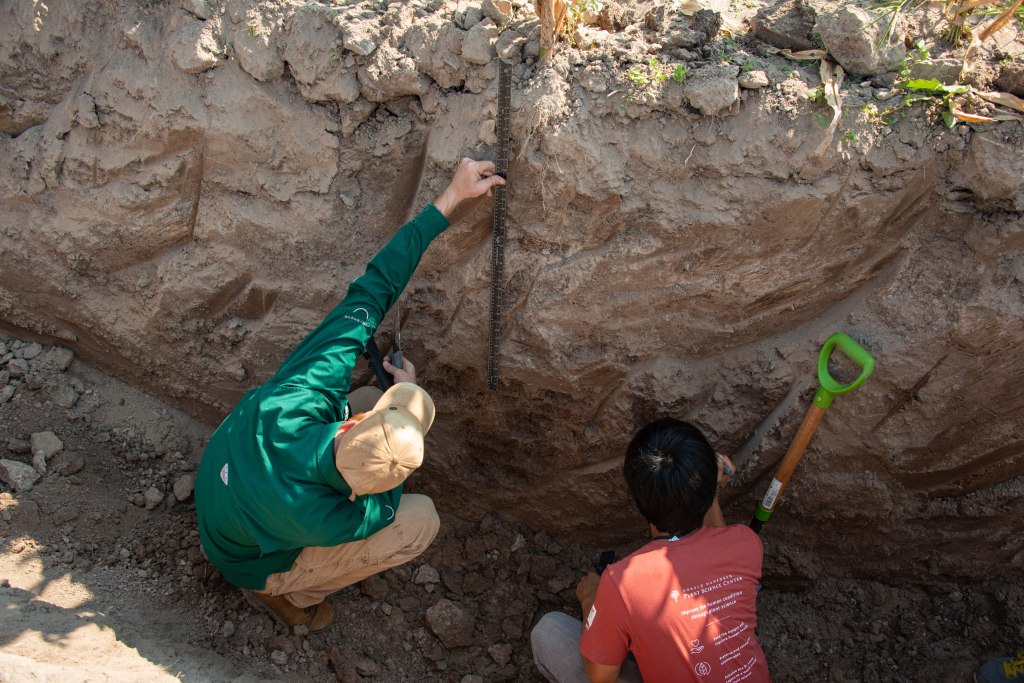
Nitrogen in soil exists in multiple forms and is continuously transformed through biological and chemical processes. These transformations determine whether nitrogen is available for plant uptake, temporarily retained within the soil, or lost to the environment.
Microbial activity plays a central role in regulating these processes, influencing how nitrogen moves through the system and when it becomes accessible to plants.
Nitrogen Transformation in Soil
Soil microorganisms drive key transformations that control nitrogen availability. Organic nitrogen must be converted into plant-available forms, while other processes can transform nitrogen into forms that are more mobile or more susceptible to loss.
These transformations determine how long nitrogen remains available in the soil and whether it can be accessed by plants during critical stages of growth.
Retention and Loss Pathways
Nitrogen in soil follows multiple pathways. It can be retained through biological immobilization or lost through leaching and gaseous emissions.
The balance between these pathways depends on soil conditions, microbial activity, and environmental factors such as moisture and temperature. Small changes in these conditions can shift nitrogen from a retained form to one that is more readily lost.
Spatial Variability in the Soil Environment
Soil is highly heterogeneous, with physical structure, organic matter, and microbial communities varying across small distances. These differences influence where nitrogen is located, how it moves through the soil profile, and how accessible it is to plants.
As a result, nitrogen availability is not uniform, and plant access depends on how effectively roots and associated organisms can explore these variable environments.
Managing Nitrogen Through Soil Processes
SYNCORNET examines how soil processes can be influenced to improve nitrogen availability and retention under field conditions. This includes understanding how management practices and environmental factors shape microbial activity and nitrogen transformations over time.
Role Within the System
Soil processes determine when and where nitrogen is available, but plant uptake depends on the ability of roots and associated organisms to access it.
By shaping nitrogen availability across space and time, soil processes form a critical link between nitrogen inputs and plant demand, supporting SYNCORNET’s broader goal of coordinating nitrogen use across the crop cycle.

